Introduction
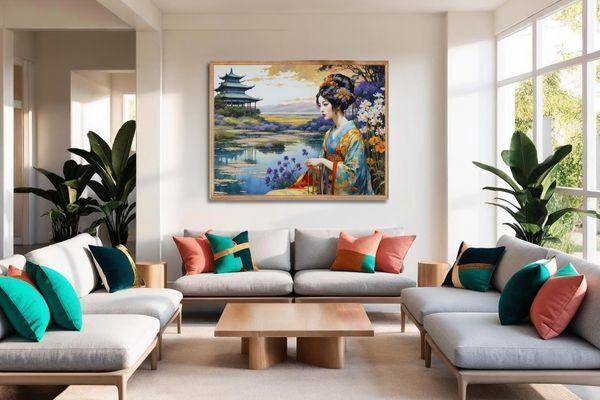
The walls of your home tell your story. They reflect your personality, experiences, and the atmosphere you want to create in your living space. Digital wall art offers an accessible, versatile way to transform any room with meaningful imagery that resonates with you and your guests. As someone who transitioned from corporate boardrooms to creating digital art, I've learned that the right piece doesn't just fill a blank wall—it creates a focal point, evokes emotion, and ties a room together.
In this comprehensive guide, I'll walk you through how to select digital art prints that not only look beautiful but also create the exact mood and atmosphere you're seeking in your home.
Understanding Your Space Before Selecting Art
Before diving into art selection, take time to understand the space you're decorating:
Assess the Room's Function
Different spaces serve different purposes, and your art selection should complement these functions:
- Living rooms benefit from conversation-starting pieces that reflect your personality
- Bedrooms call for calming, soothing imagery that promotes relaxation
- Home offices need inspiring, motivating art that enhances focus and creativity
- Kitchens work well with vibrant, energetic pieces that complement the heart of your home
Consider Your Existing Decor
Your digital art should harmonize with your current decor elements:
- Color palette: Choose art that either complements or intentionally contrasts with your existing colors
- Furniture style: Modern, minimalist furniture pairs well with abstract or contemporary digital art, while traditional furnishings might call for more classical imagery
- Textiles and accessories: Look for art that picks up colors or themes from your rugs, pillows, and decorative objects
Analyze Your Lighting
Light dramatically affects how we perceive art:
- Natural light: Rooms with abundant natural light can showcase art with subtle details and softer colors
- Limited light: Spaces with less natural light benefit from brighter, more vibrant digital prints
- Evening spaces: Consider how your art will look under artificial lighting in the evenings
Selecting Art That Tells Your Story
The most impactful digital wall art connects with you on a personal level:
Reflect Your Personal Journey
Choose art that resonates with your life experiences:
- Travel memories: Digital art featuring places you've visited or dream of visiting
- Life transitions: Art that symbolizes important changes, like career shifts or new beginnings
- Heritage connections: Imagery that connects to your cultural background or family history
Consider the Emotional Impact
Different styles and subjects evoke different emotions:
- Landscapes often create feelings of peace, freedom, and possibility
- Abstract art can stimulate creativity and intellectual engagement
- Figurative art might evoke empathy, connection, or nostalgia
- Typography and quotes can inspire, motivate, or affirm your values
Balance Personal Meaning with Aesthetic Appeal
The best digital art for your home strikes a balance:
- It should speak to you personally while also being visually appealing
- It should reflect your taste while complementing your space
- It should have depth of meaning without being overly complex or distracting
Technical Considerations for Digital Art Prints
When selecting digital art for printing, keep these technical aspects in mind:
Resolution and Quality
Not all digital art files are created equal:
- Look for high-resolution files (minimum 300 DPI) for crisp, clear printing
- Check that the art is properly sized for your intended print dimensions
- Examine preview images carefully for any pixelation or quality issues
Color Considerations
Colors can appear differently on screens versus prints:
- Be aware that monitors display colors in RGB, while printing uses CMYK
- Some vibrant digital colors may appear slightly different when printed
- Consider ordering a small test print before committing to large-format pieces
Print Materials and Finishes
Different materials create different effects:
- Matte paper reduces glare and gives a sophisticated, gallery-like appearance
- Semi-gloss or glossy finishes enhance color vibrancy and work well for photography-based digital art
- Canvas prints add texture and don't require glass when framing
- Metal or acrylic prints create a contemporary, high-impact look
Sizing and Placement Guidelines
The right size and placement dramatically affect how digital art transforms your space:
Sizing Principles
Follow these general guidelines for sizing:
- Above furniture: Art should be approximately 2/3 to 3/4 the width of the furniture below it
- Stand-alone pieces: Size should be proportional to the wall space, generally filling 2/3 to 3/4 of the available area
- Gallery walls: Mix different sizes for visual interest, with larger anchor pieces and smaller complementary works
Optimal Hanging Height
Proper height creates a professional, intentional look:
- Position the center of your artwork at eye level, typically 57-60 inches from the floor
- When hanging art above furniture, leave 6-8 inches of space between the furniture and the bottom of the frame
- For gallery walls, treat the entire arrangement as one unit with its center at eye level
Creating Balance
Consider how your art balances with other elements:
- Use the visual weight of your digital art to balance other substantial items in the room
- Create symmetry with pairs of prints in similar frames for a formal feel
- Experiment with asymmetrical arrangements for a more dynamic, contemporary look
Framing Your Digital Art Prints
The right frame enhances your digital art and integrates it with your decor:
Frame Styles
Different frame styles create different effects:
- Thin, simple frames let the art be the focus and work well with modern decor
- Ornate frames can elevate simple digital prints and complement traditional spaces
- Floating frames create a contemporary look where the art appears to float within the frame
- Canvas wraps offer a frameless option that works well for casual or contemporary spaces
Matting Considerations
Matting creates breathing space around your art:
- White or off-white mats create a clean, gallery-like presentation
- Colored mats can complement elements within the artwork
- Double mats add depth and sophistication to important pieces
- Consider the mat width in proportion to the art and frame (larger art generally needs wider mats)
Glass Options
Different glass types offer different benefits:
- UV-protective glass prevents fading in sunlit rooms
- Non-glare glass improves visibility in bright spaces
- Museum glass offers both UV protection and reduced glare but at a higher price point
Creating Cohesive Collections
Multiple pieces of digital art can work together to create a powerful impact:
Thematic Connections
Create collections with conceptual links:
- Subject matter: Landscapes, abstracts, botanical themes
- Color palette: Consistent or complementary colors throughout
- Artistic style: Similar techniques or approaches
- Emotional tone: Works that evoke similar feelings
Gallery Wall Arrangements
Effective gallery walls require planning:
- Arrange pieces on the floor first to experiment with layouts
- Use kraft paper templates on the wall to perfect placement before hanging
- Maintain consistent spacing between pieces (2-3 inches typically works well)
- Consider using identical frames for diverse art to create cohesion
Rotating Collections
Digital art prints offer the flexibility of seasonal changes:
- Create different collections for different seasons or moods
- Store prints flat in acid-free sleeves when not displayed
- Consider investing in easy-change frame systems for frequent rotation
Conclusion: Making Your Final Selection
When making your final digital art selections, remember these key principles:
- Trust your instincts: Choose art that genuinely speaks to you, not just what's trendy
- Consider longevity: Select pieces you'll want to live with for years to come
- Balance statement and subtlety: Mix bold focal pieces with more subtle supporting works
- Embrace the process: Building an art collection is a journey that evolves over time
Digital art prints offer an accessible, flexible way to transform your space with meaningful imagery. By considering your space, selecting art that resonates personally, and presenting it thoughtfully, you can create rooms that tell your unique story and evoke exactly the atmosphere you desire.
About the Author: Ray Erens is a retired executive who now creates digital art that combines travel photography, landscapes, and AI enhancement. His work focuses on creating prints that add meaning and beauty to everyday spaces. Visit Tru-Expressions Art on Etsy to explore his collection of printable wall art.
Ready to transform your space with digital art? Download our free Home Styling Guide for more detailed tips and inspiration.